

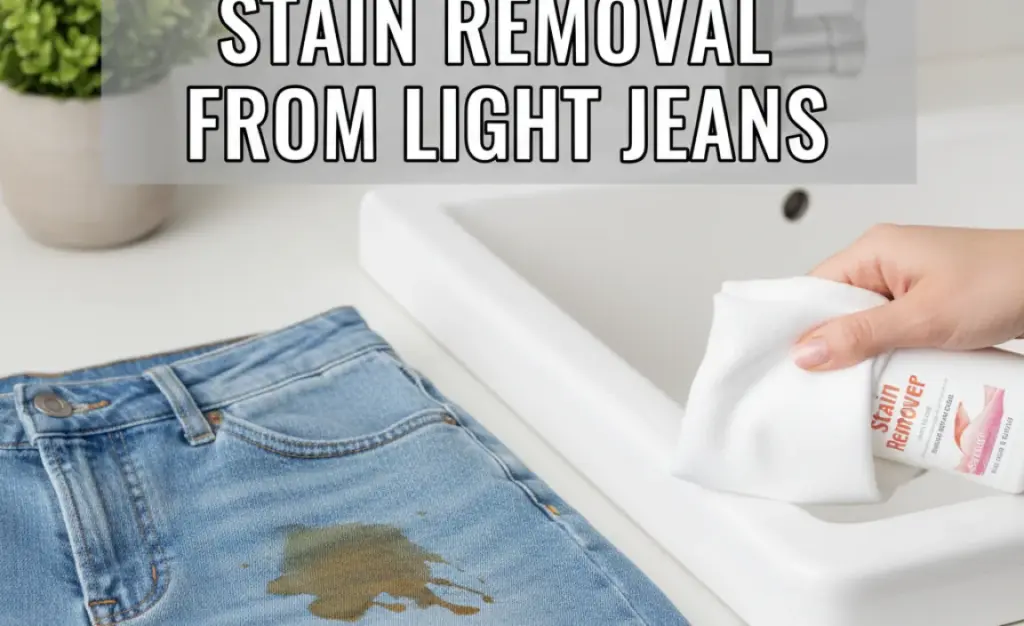
Got a soy sauce spill on your favorite light jeans? Don’t panic! This guide provides simple, effective methods to lift those stubborn stains, restoring your denim to its original glory with readily available household items. Act fast, and your jeans will be as good as new.
Ah, the dreaded soy sauce stain on light-wash denim. It’s a common kitchen mishap, especially when a tasty takeout meal or a sushi roll goes awry. The dark, rich color of soy sauce can seem impossible to banish from light-colored fabric, leaving you feeling frustrated and your beloved jeans ruined. But before you resign them to the back of your closet, know that effective stain removal is within reach. This guide will walk you through proven methods, using common household items, to tackle these challenging spots. We’ll break down the process into easy, actionable steps, making it simple for anyone to bring their light jeans back to life.
Why Soy Sauce Stains Are Tricky on Light Jeans
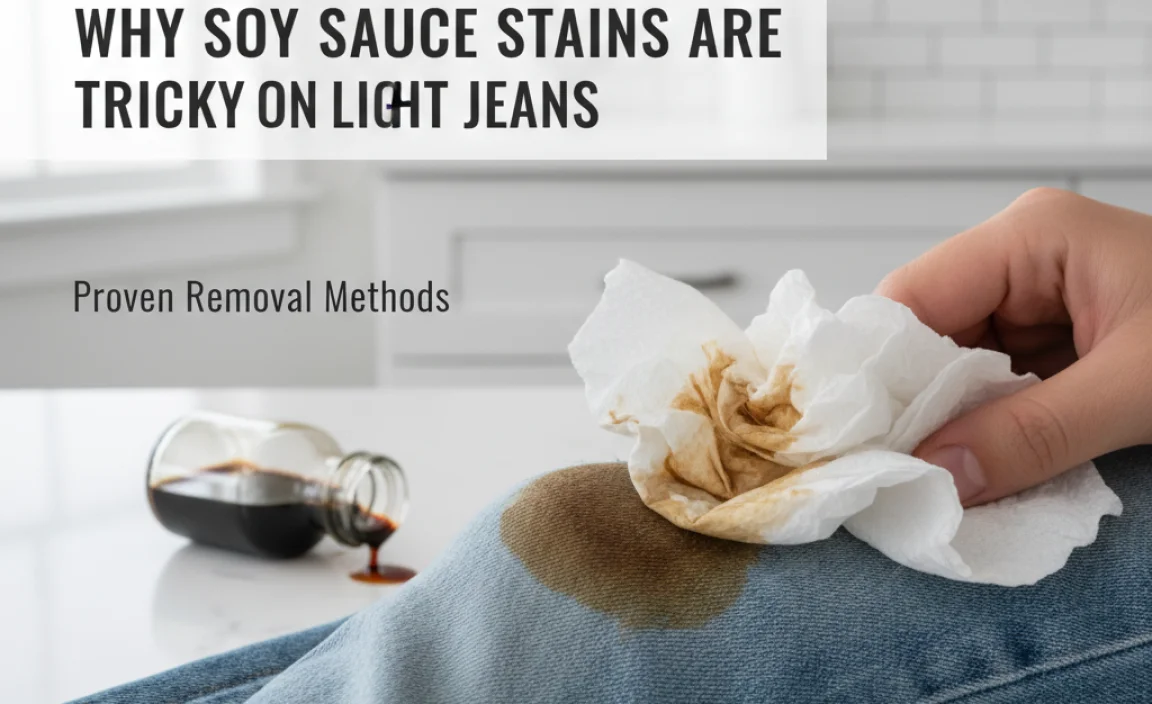
Soy sauce is a champion stainer for a few key reasons, especially when it comes to lighter fabrics like your favorite pair of light-wash jeans. Its composition includes natural colorants, primarily from the soybeans and the fermentation process, which are designed to impart a deep, rich hue. When this liquid hits absorbent denim fibers, these colorants can quickly seep in and bond with the material. Light-wash jeans, by their nature, have had much of their original indigo dye removed, making the fabric more porous and less forgiving to colorful spills. The lighter the denim, the more visible and challenging any dark stain becomes. Understanding this helps us approach the removal process with the right strategy.
Immediate Action: The First Line of Defense
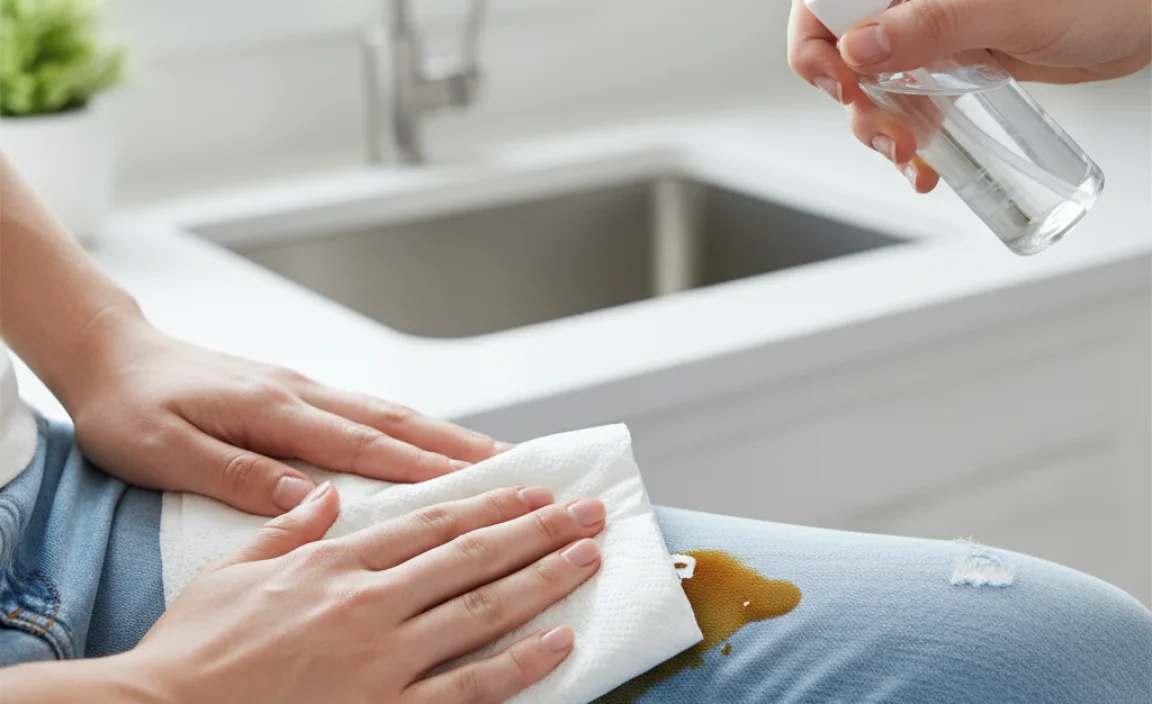
The key to successfully removing any stain, especially soy sauce from light jeans, is speed. The longer the stain sits, the deeper it penetrates and the harder it becomes to lift. Think of it like a race against time – the sooner you can intervene, the better your chances of a complete victory.
Here’s what to do the moment you notice a spill:
- Blot, Don’t Rub: Grab a clean, dry cloth or paper towel. Gently blot the stained area. The goal is to absorb as much of the liquid soy sauce as possible without spreading it further into the fabric or pushing it deeper into the fibers. Rubbing can set the stain and damage the denim’s weave.
- Rinse with Cold Water: If possible, turn the jeans inside out and rinse the stained area from the back with cold water. This helps to push the stain out of the fibers rather than further in. Avoid hot water at this stage, as it can set protein-based stains, though soy sauce isn’t primarily protein, heat in general can sometimes make stains harder to remove.
Essential Tools for Soy Sauce Stain Removal
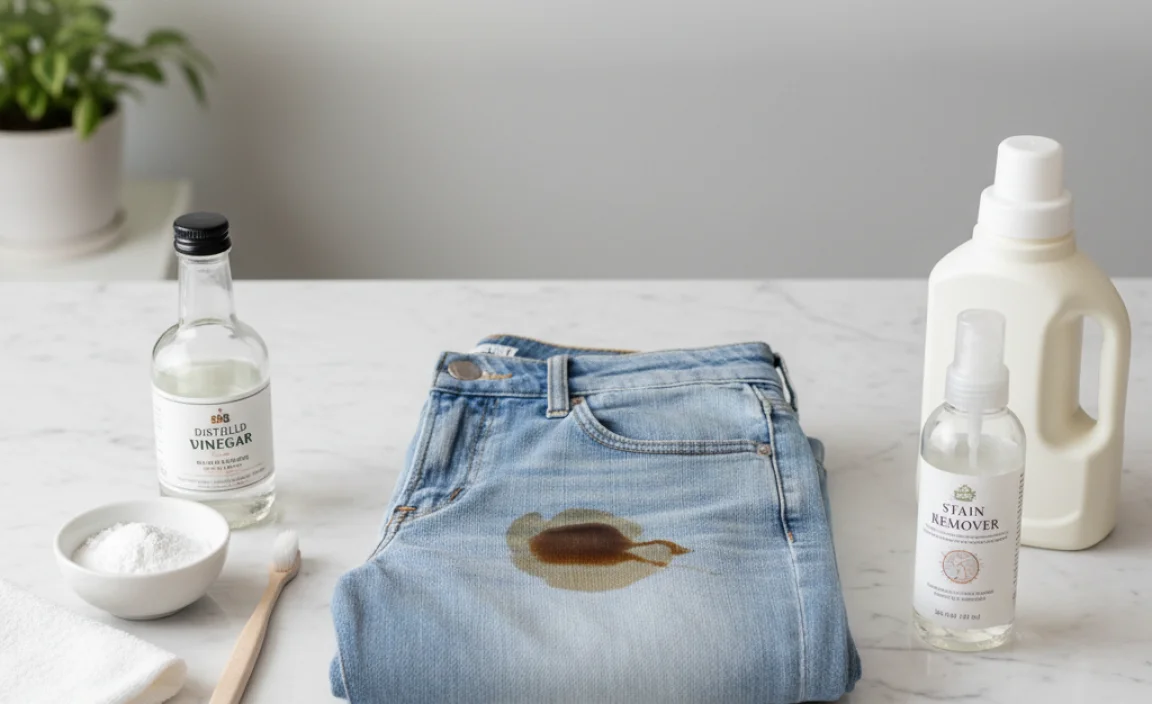
Before diving into the removal process, gather your supplies. Having everything ready will make the task smoother and more efficient. The good news is that most of these items are likely already in your home.
- Clean, white cloths or paper towels
- Cold water
- Mild dish soap (like Dawn)
- White vinegar
- Baking soda
- Hydrogen peroxide (3%)
- An old toothbrush or soft-bristled brush
- A small bowl
- Laundry detergent (preferably one with stain-fighting enzymes)
- An oxygen-based bleach (like OxiClean, optional but highly effective)
Proven Soy Sauce Stain Removal Methods
Now that you’ve acted fast and gathered your supplies, it’s time to tackle the stain head-on. We’ll explore a few effective methods, starting with the gentlest and progressing to more potent solutions if needed.
Method 1: Dish Soap and Cold Water (For Fresh Stains)
This is your first and often most effective line of defense for recent spills on light-wash denim.
- Initial Rinse: After blotting up excess soy sauce, rinse the stain thoroughly with cold water from the back of the fabric.
- Apply Dish Soap: Apply a small amount of mild dish soap directly to the stain. Dish soap is excellent at breaking down grease and oils, which can be present in soy sauce.
- Gently Work In: Use your fingers or a soft-bristled brush to gently work the soap into the stain. Be careful not to scrub too aggressively, as this can damage the denim.
- Let It Sit: Allow the soap to sit on the stain for 5-10 minutes.
- Rinse Again: Rinse the area thoroughly with cold water.
- Check for the Stain: Inspect the area. If the stain is gone or significantly faded, proceed to wash the jeans as usual. If it persists, move on to the next method.
Method 2: White Vinegar Pre-Treatment
White vinegar is a mild acid that can help break down the pigments in soy sauce. It is generally safe for most fabrics, including light-wash denim.
- Mix Solution: In a small bowl, mix equal parts white vinegar and cold water.
- Apply to Stain: Dampen a clean cloth with the vinegar and water solution and blot the stained area. You can also pour the solution directly onto the stain.
- Let It Soak: Let the solution soak into the stain for about 15-30 minutes.
- Rinse: Rinse the area thoroughly with cold water.
- Proceed to Wash: You can now wash the jeans as you normally would. If the stain is still visible after washing and drying, repeat this step or try another method.
Method 3: Baking Soda Paste
Baking soda is a mild abrasive and a natural deodorizer, making it a good choice for lifting stains and any unpleasant odors.
- Create Paste: In a small bowl, mix baking soda with a little water to form a thick paste.
- Apply Paste: Apply the paste generously to the soy sauce stain, ensuring it covers the entire affected area.
- Gently Scrub: Use a soft-bristled brush or an old toothbrush to gently work the paste into the stain.
- Allow to Dry: Let the paste dry completely on the jeans. This can take a few hours.
- Brush Off: Once dry, brush away the dried paste.
- Rinse and Wash: Rinse the area with cold water, then wash the jeans according to their care label.
Method 4: Hydrogen Peroxide (Use with Caution on Light Denim)
Hydrogen peroxide is a mild bleaching agent and can be very effective on light-colored fabrics. However, it’s crucial to use it correctly to avoid damaging the denim’s fibers or color.
Important Note: Never use hydrogen peroxide on colored denim or fabrics where colorfastness is questionable. Test on an inconspicuous area first if you have any doubts.
- Dilute if Necessary: For light-wash jeans, a 3% hydrogen peroxide solution is generally safe. You can use it directly or dilute it with an equal part of cold water if you are concerned.
- Apply Carefully: Lightly dampen a clean white cloth with the hydrogen peroxide solution. Dab the stain gently, working from the outside edges inward.
- Let it Work: Let the hydrogen peroxide sit on the stain for 5-10 minutes. You may see it begin to lift the color from the stain.
- Rinse Thoroughly: Rinse the area extremely well with plenty of cold water to remove all traces of the peroxide.
- Wash Normally: Wash the jeans as usual with your regular detergent. Check the stain before drying.
Method 5: Oxygen-Based Bleach (The Powerhouse)
For stubborn stains that haven’t responded to other methods, an oxygen-based bleach is often the most powerful solution for light-colored fabrics. Unlike chlorine bleach, oxygen bleach is color-safe for most fabrics and works by releasing oxygen to break down stains.
You can find oxygen-based bleaches like OxiClean and store brands in the laundry aisle. Always follow the product instructions carefully.
- Create a Soak: Follow the product instructions to create a soaking solution in a sink or basin. Typically, this involves dissolving the powder in warm water.
- Submerge Jeans: Submerge the light-wash jeans in the solution, ensuring the stained area is fully immersed.
- Soak Time: Let the jeans soak for at least 1-4 hours, or even overnight for very tough stains. Check periodically to monitor the stain’s progress.
- Rinse and Wash: Once the stain appears to be gone, remove the jeans, rinse them thoroughly with cold water, and then wash them with your regular laundry detergent.
What NOT to Do When Removing Soy Sauce Stains
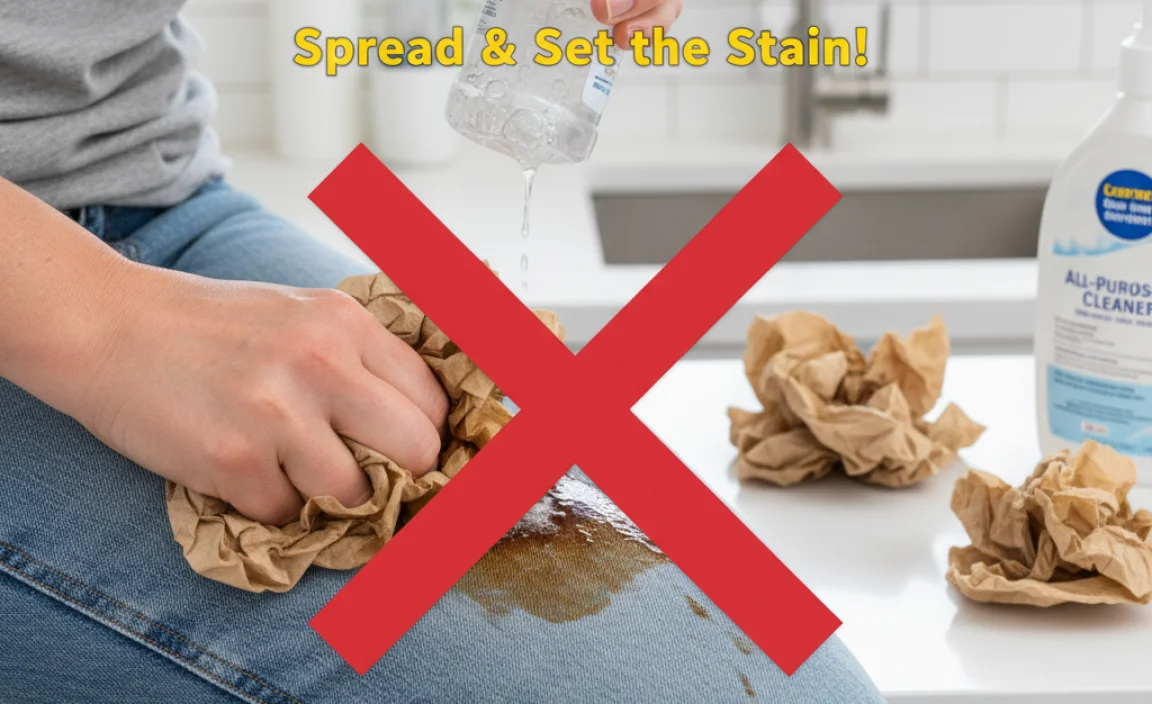
While enthusiasm for stain removal is great, some common practices can actually make the situation worse. Knowing what to avoid is just as important as knowing what to do.
- Don’t Rub the Stain Vigorously: As mentioned, rubbing can spread the stain and damage the fabric fibers.
- Avoid Hot Water Initially: Hot water can set certain types of stains, making them permanent. Start with cold water for rinsing and pre-treatment.
- Don’t Use Chlorine Bleach on Light Wash Jeans (Unless Absolutely Necessary and Tested): While it can remove stains, chlorine bleach can also strip the color unevenly from light-wash denim, leading to splotchy, permanent discoloration. Oxygen-based bleaches are a much safer alternative for keeping your light jeans looking uniform.
- Never Dry a Stained Item: Heat from a dryer will permanently set any remaining stain. Always inspect the jeans thoroughly after washing and air dry them until you are certain the stain is completely gone.
Understanding Fabric Care for Light Denim
Light-wash denim is a wardrobe staple that offers a versatile, casual look. However, its lighter hue means it requires a bit more attention when it comes to care, especially when dealing with potential stains. Understanding the fabric’s properties and best practices can help maintain its appearance for longer.
The Denim Weave and Dye Process
Denim is a sturdy cotton twill fabric. The characteristic blue color of traditional denim comes from indigo dye. Light-wash jeans have undergone a washing process (often with pumice stones or chemicals) to remove a significant portion of this indigo dye, achieving a faded, worn-in look. This process also makes the fibers more exposed and susceptible to absorbing stains.
Colorfastness Testing
Before applying any stain remover, especially stronger agents like hydrogen peroxide or oxygen bleach, it’s wise to perform a spot test. Find an inconspicuous area of the jeans, such as the inside of a hem or a seam allowance. Apply a small amount of the cleaning solution and let it sit for the recommended time. Rinse and let it dry. If there’s any adverse reaction like color loss or fabric damage, do not use that particular solution on the visible stain.
Washing Light Denim Separately
To prevent any accidental color transfer from darker items and to avoid picking up lint from lighter ones, always wash light-wash jeans separately or with other similarly colored items. Use a gentle cycle with cold water unless otherwise specified on the care label.
Drying Your Light Jeans
The best way to dry light-wash jeans is to air dry them. You can lay them flat, hang them on a line, or use a drying rack. This preserves the fabric’s integrity and prevents shrinkage and color fading that can occur in a machine dryer. If you must use a dryer, opt for the lowest heat setting and remove them while slightly damp.
When to Seek Professional Help
While most common household stains can be tackled at home, there are times when professional help is the best course of action:
- Delicate or Expensive Jeans: If your light-wash jeans are particularly expensive, made of a blend with delicate fibers (like linen or silk), or have intricate embellishments, a professional cleaner might have specialized tools and knowledge superior to home remedies.
- Set-in or Large Stains: For stains that have been on the jeans for a long time or cover a very large area, professional cleaners often have access to more potent stain-fighting agents and techniques.
- Uncertainty: If you’re unsure about how to proceed or are worried about damaging your jeans, don’t hesitate to consult a dry cleaner.
When taking your jeans to a professional, be sure to point out the specific stain and mention that it was caused by soy sauce. This information can help them choose the most effective treatment.
DIY vs. Professional Cleaning: A Comparison
Deciding whether to tackle a stain yourself or take it to a professional can be a tough choice. Here’s a breakdown to help you weigh the options:
| Factor | DIY Cleaning | Professional Cleaning |
|---|---|---|
| Cost | Very low, uses household items. | Higher, depending on the cleaner and service. |
| Speed | Can be immediate if you have supplies. | Takes time (typically a few days). |
| Risk of Damage | Moderate, depends on your skill and product used. | Low, professionals have expertise and tools. |
| Effectiveness for Stubborn Stains | Can be very effective, but may require multiple attempts. | Often more effective for very old or difficult stains. |
| Convenience | Done at home, on your schedule. | Requires drop-off and pick-up. |
| Best For | Fresh stains, minor spills, everyday jeans damage. | Old, large, unknown or very delicate fabric stains. |
Frequently Asked Questions About Soy Sauce Stains on Light Jeans
Q1: How quickly should I treat a soy sauce stain on my light jeans?
A: Treat it immediately! The faster you can blot the spill and begin rinsing or applying a pre-treatment, the higher your chances of completely removing the stain. Don’t let it sit for hours if you can help it.
Q2: Can bleach remove soy sauce stains from light jeans?
A: Chlorine bleach can remove the stain but also carries a significant risk of stripping the color unevenly from light-wash denim, leaving splotches. An oxygen-based bleach is a much safer and more effective alternative for light colors.
Q3: Will rubbing the stain help get it out faster?
A: No, rubbing can actually make the stain worse. It pushes the soy sauce deeper into the fabric fibers and can spread the stain to surrounding areas. Always blot gently.
Q4: What household items work best for soy sauce stains?
A: Mild dish soap, white vinegar, baking soda, and hydrogen peroxide (used carefully) are all effective common household items. For tougher stains, an oxygen-based bleach soak is highly recommended.
Q5: Can I put my jeans in the dryer if the stain is still visible?
A: Absolutely not. The heat from a dryer will set the stain, making it permanent and nearly impossible to remove. Always air dry your jeans until you are certain the stain is gone.
Q6: My light jeans have a gray tint after washing; could it be the soy sauce stain?
A grey tint could indicate a few things, but if it appeared after a spill and wash, it might be a residual stain that didn’t fully lift or was unevenly treated. Re-treating the area with your chosen method or an oxygen bleach soak may help. Ensure you are washing light-wash jeans separately to avoid dye transfer from other garments.
Conclusion: Your Light Jeans Are Salvageable!
Soy sauce stains on light-wash denim might seem daunting, but as you’ve seen, they are far from impossible to conquer. With a swift response and the right approach using common household items, you can effectively lift those stubborn marks. Remember the golden rules: act fast, blot don’t rub, use cold water initially, and always check for stain removal success before applying heat. Whether you opt for the gentle power of dish soap, the acidic lift of vinegar, the abrasive action of baking soda, the bleaching properties of hydrogen peroxide, or the potent soak of an oxygen-based cleaner, patience and careful application are your allies.
By following these steps, you empower yourself to handle common clothing mishaps with confidence. Your favorite light jeans can be restored to their stylish best. So, the next time a spill happens, don’t despair. Grab your supplies, follow this guide, and enjoy your perfectly clean denim!